
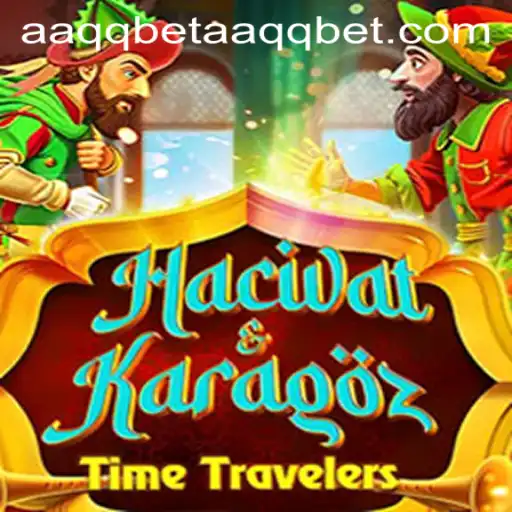

Dive into the fascinating world of HacivatandKaragoz, a traditional shadow play, and explore its engaging aspects, including its rich history, gameplay elements, and modern relevance.
Discovering the World of HacivatandKaragoz
HacivatandKaragoz is a captivating traditional shadow play that has entertained audiences for centuries. Known for its unique blend of humor, storytelling, and cultural traditions, this form of entertainment has stood the test of time, capturing the interest of both young and old. In this article, we delve into the world of HacivatandKaragoz, exploring its roots, rules, and the cultural significance it holds in modern times.
The Rich History of HacivatandKaragoz
Originating from the Ottoman Empire, HacivatandKaragoz is a form of puppet theatre that uses shadow puppets to tell stories. The play revolves around two main characters, Hacivat and Karagoz, who often find themselves in humorous situations. These characters embody different societal roles and, through their interactions, offer satirical commentary on the events of their time. The name itself, combining Hacivat and Karagoz, represents the contrasting personalities of the two characters.
Traditionally performed during the month of Ramadan and other festive occasions, the shadow play was a popular form of entertainment that brought communities together. The puppeteers, known as karagozcus, would skillfully manipulate the puppets behind a screen illuminated by a source of light, creating captivating silhouettes that enacted the humorous and often thought-provoking tales.
The Essence of HacivatandKaragoz Gameplay
The HacivatandKaragoz shadow play relies heavily on improvisation, an art cherished by puppeteers. Each performance is a unique blend of scripted lines and spontaneous dialogue, allowing puppeteers the creative freedom to adapt their storytelling to contemporary themes and audience preferences. This improvisational nature enables the play to remain relevant and engaging, even in modern times.
The primary objective of the game is to entertain through witty and comedic exchanges between the main characters. Hacivat is often portrayed as articulate and educated, while Karagoz is more straightforward and lacks formal education. This dichotomy results in humorous exchanges and misunderstandings that highlight societal norms and values.
The Rules of HacivatandKaragoz
Despite its improvisational nature, the shadow play follows certain conventions that guide the performance. The puppeteer, often a solo performer, must effectively manipulate multiple puppets while simultaneously providing each character a distinct voice. This requires skillful coordination and attention to detail.
The play typically begins with an introduction, where Hacivat recites a short poem to applaud the audience and set the stage. Once the story kicks off, the characters engage in dialogues filled with jokes, social commentary, and metaphorical exchanges that reflect local culture. The puppeteer uses exaggerated gestures and slapstick humor to enhance the comedic effect.
Present-Day Relevance of HacivatandKaragoz
In contemporary times, the art of HacivatandKaragoz has been kept alive by cultural enthusiasts and performers dedicated to preserving this traditional art form. Events and festivals continue to feature shadow plays, introducing new audiences to its charm. Additionally, adaptations of HacivatandKaragoz have found a place in modern media, including incorporation in educational settings and television shows.
The digital age has also seen innovations in how this traditional game is presented. Enthusiasts have experimented with incorporating technology to enhance visual experiences while retaining the essence of shadow puppetry. This blend of tradition and technology ensures that HacivatandKaragoz remains appealing and accessible to future generations.
Current trends emphasize the importance of cultural preservation and appreciation, and HacivatandKaragoz perfectly embodies this ethos. As societies evolve, the stories and characters remain relevant, offering reflections on contemporary issues through the timeless lens of humor and satire.
The enthusiasm surrounding HacivatandKaragoz represents a renewed interest in appreciating and revitalizing cultural heritage. By understanding its roots and mechanics, we can engage with the rich tapestry of history and creativity that defines this remarkable shadow play.